=== Plugin Name === Contributors: studiopress, nathanrice, bgardner, dreamwhisper, laurenmancke, shannonsans, modernnerd, marksabbath, damiencarbery, helgatheviking, littlerchicken, tiagohillebrandt, wpmuguru, michaelbeil, norcross, rafaltomal Tags: social media, social networking, social profiles Requires at least: 4.0 Tested up to: 5.4 Stable tag: 3.0.2 This plugin allows you to insert social icons in any widget area. == Description == Simple Social Icons is an easy to use, customizable way to display icons that link visitors to your various social profiles. With it, you can easily choose which profiles to link to, customize the color and size of your icons, as well as align them to the left, center, or right, all from the widget form (no settings page necessary!). *Note: The simple_social_default_glyphs filter has been deprecated from this plugin. == Installation == 1. Upload the entire simple-social-icons folder to the /wp-content/plugins/ directory 1. Activate the plugin through the 'Plugins' menu in WordPress 1. In your Widgets menu, simply drag the widget labeled "Simple Social Icons" into a widget area. 1. Configure the widget by choosing a title, icon size and color, and the URLs to your various social profiles. == Frequently Asked Questions == = Can I reorder the icons? = Yes, icons can be reordered with the use of a filter. See: https://github.com/copyblogger/simple-social-icons/wiki/Reorder-icons-in-version-2.0 = Can I add an icon? = Yes, icons can be added with the use of a filter. See: https://github.com/copyblogger/simple-social-icons/wiki/Add-an-additional-icon-in-version-2.0 = My icon styling changed after updating = If your theme includes custom icon styling, you can try adding this line to your functions.php file: `add_filter( 'simple_social_disable_custom_css', '__return_true' );` This will remove icon styling options in the widget settings, and prevent Simple Social Icons from overriding custom theme styling. = Which services are included? = * Behance * Bloglovin * Dribbble * Email * Facebook * Flickr * Github * Google+ * Instagram * LinkedIn * Medium * Periscope * Phone * Pinterest * RSS * Snapchat * StumbleUpon * Tumblr * Twitter * Vimeo * Xing * YouTube NOTE - The rights to each pictogram in the social extension are either trademarked or copyrighted by the respective company. == Changelog == = 3.0.2 = * Fixed issue where icons can fail if there is a space anywhere in its URL. = 3.0.1 = * Remove Grunt * Fix AMP compatibility = 3.0.0 = * Obfuscate email address from spambots * Prevent email links to open in new window if option selected * Fix saving email by removing http:// from it * Allow icons to accept transparent color on border and background * Fix phone by removing http:// from it * Updated Medium logo * Added a proper uninstall hook * Added a filter to disable the CSS * Added filter to update the HTML markup = 2.0.1 = * Fixed typo in Snapchat icon markup * Made CSS selectors more specific * Added classes to each icon * Added plugin version to enqueued CSS * Updated Google + icon = 2.0.0 = * Added Behance, Medium, Periscope, Phone, Snapchat, and Xing icons * Switched to svg, rather than icon font = 1.0.14 = * Accessibility improvements: change icon color on focus as well as on hover, add text description for assistive technologies = 1.0.13 = * Add textdomain loader = 1.0.12 = * Prevent ModSecurity blocking fonts from loading = 1.0.11 = * Update enqueue version for stylesheet, for cache busting = 1.0.10 = * Update textdomain, generate POT = 1.0.9 = * PHP7 compatibility = 1.0.8 = * Added border options = 1.0.7 = * Added Bloglovin icon = 1.0.6 = * Added filters = 1.0.5 = * Updated LICENSE.txt file to include social extension = 1.0.4 = * Updated version in enqueue script function = 1.0.3 = * Added Tumblr icon = 1.0.2 = * More specific in the CSS to avoid conflicts = 1.0.1 = * Made color and background color more specific in the CSS to avoid conflicts = 1.0.0 = * Switched to icon fonts, rather than images = 0.9.5 = * Added Instagram icon = 0.9.4 = * Added YouTube icon * Added bottom margin to icons = 0.9.3 = * Fixed CSS conflict in some themes = 0.9.2 = * Added new profile options * Changed default border radius to 3px = 0.9.1 = * Fixed some styling issues = 0.9.0 = * Initial Beta Release Deadwood Una Recensione della Serie Cult – Mendes Freire Advogados

Blog

Deadwood Una Recensione della Serie Cult

Se sei un appassionato di serie TV che trattano temi complessi e ambientazioni storiche, allora deadwood recensioni è il punto di partenza ideale per te. “Deadwood”, creata da David Milch, è una serie che ha catturato l’attenzione del pubblico e della critica sin dal suo debutto nel 2004. In questo articolo, esploreremo i temi principali, i personaggi e l’impatto culturale di questa serie iconica.
Un’introduzione alla serie

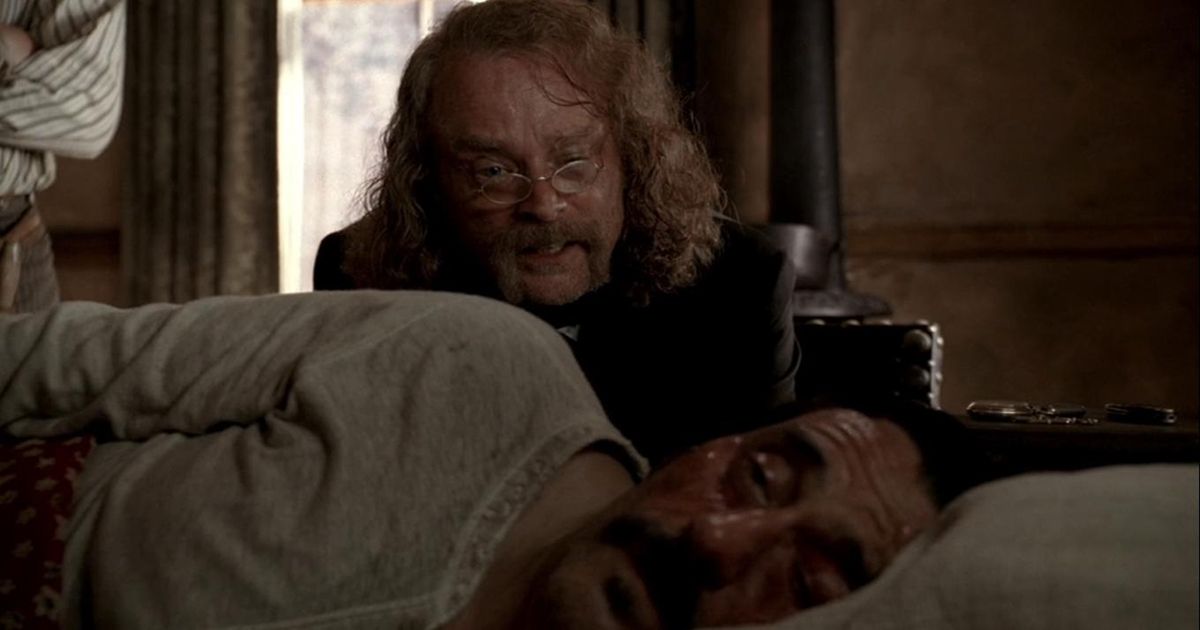
“Deadwood” è ambientata nella seconda metà del XIX secolo, durante l’epoca della corsa all’oro negli Stati Uniti. La serie si svolge nella città mineraria di Deadwood, nel Dakota del Sud, una località storicamente nota per la sua mancanza di legge e per il suo ambiente violento e tumultuoso. Nonostante la sua breve durata, con sole tre stagioni e un film conclusivo, “Deadwood” ha lasciato un segno indelebile nel panorama televisivo.

I personaggi principali

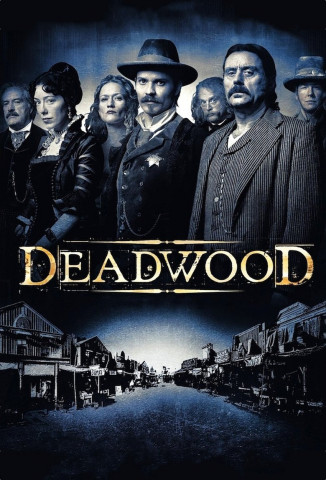
Uno degli elementi più affascinanti di “Deadwood” è senza dubbio il suo cast di personaggi. Ogni personaggio è complesso e ben sviluppato, rendendo la narrazione incredibilmente avvincente. Tra i protagonisti troviamo Al Swearengen, interpretato da Ian McShane, un astuto proprietario di un saloon che manovra abilmente il potere a Deadwood. Swearengen è un personaggio affascinante e controverso, che incarna le contraddizioni e la brutalità dell’epoca.

Un altro personaggio chiave è Seth Bullock, interpretato da Timothy Olyphant. Bullock è un ex sceriffo che, insieme a Swearengen, cerca di stabilire un certo ordine nel caos di Deadwood. La sua lotta interiore tra la giustizia e la necessità di sopravvivere nel selvaggio West è uno dei punti focali della trama.

Ci sono anche altri personaggi memorabili, come Calamity Jane, interpretata da Robin Weigert, e l’imprenditrice Alma Garret, che aggiungono ulteriori sfumature alla narrazione e alla dinamica sociale della città.

Temi e stile narrativo

Una delle caratteristiche distintive di “Deadwood” è il suo approccio crudo e realista alla narrazione. La serie affronta temi come la legge, l’ordine, la moralità e l’umanità, il tutto contornato da dialoghi brillanti e spesso poetici. La scrittura di David Milch è acclamata per la sua ricchezza linguistica e la diretta eloquenza, che riesce a catturare l’essenza brutalmente onesta dell’epoca.

Impatto culturale

“Deadwood” non è solo una serie TV; è diventata un fenomeno culturale. La sua rappresentazione della vita nel selvaggio West ha influenzato molte altre opere, sia nel cinema che nella televisione. Le sue tematiche mature e la scrittura audace hanno aperto la strada a una nuova era di serie drammatiche, contrassegnata da una profondità narrativa e da personaggi complessi.

La serie ha ricevuto numerosi premi e candidature, tra cui diversi Emmy, consolidando la sua reputazione come una delle migliori serie TV di sempre. Nonostante la sua cancellazione dopo la terza stagione, “Deadwood” ha lasciato un’eredità duratura, culminata nel film del 2019 che ha fornito una conclusione soddisfacente per i fan appassionati.

Conclusione

“Deadwood” è molto più di una semplice serie TV. È un’esperienza narrativa che invita gli spettatori a riflettere sulla complessità della natura umana, sull’inevitabilità del conflitto e sulla ricerca di ordine in un mondo caotico. Grazie ai suoi personaggi indimenticabili, ai dialoghi incisivi e alla rappresentazione cruda della vita nel selvaggio West, “Deadwood” rimane una pietra miliare nella storia della televisione. Se non l’hai ancora vista, ti invitiamo a immergerti in questo straordinario racconto e a scoprire perché la serie continua a essere celebrata e discussa anni dopo la sua conclusione.