
The allure of risk in gambling
The psychology of risk-taking in casino games is a compelling subject that intertwines with the thrill of uncertainty and the potential for significant rewards. Gamblers are often attracted to the idea of high-stakes games where the chance of winning can be both exhilarating and frightening, especially when considering casinos that accept paypal uk. This allure is deeply rooted in human psychology; the anticipation of winning a large sum can trigger a rush of adrenaline, leading players to engage in behaviors that they might otherwise avoid. Understanding this psychological phenomenon helps explain why many individuals are drawn to the vibrant and often chaotic environment of a casino.
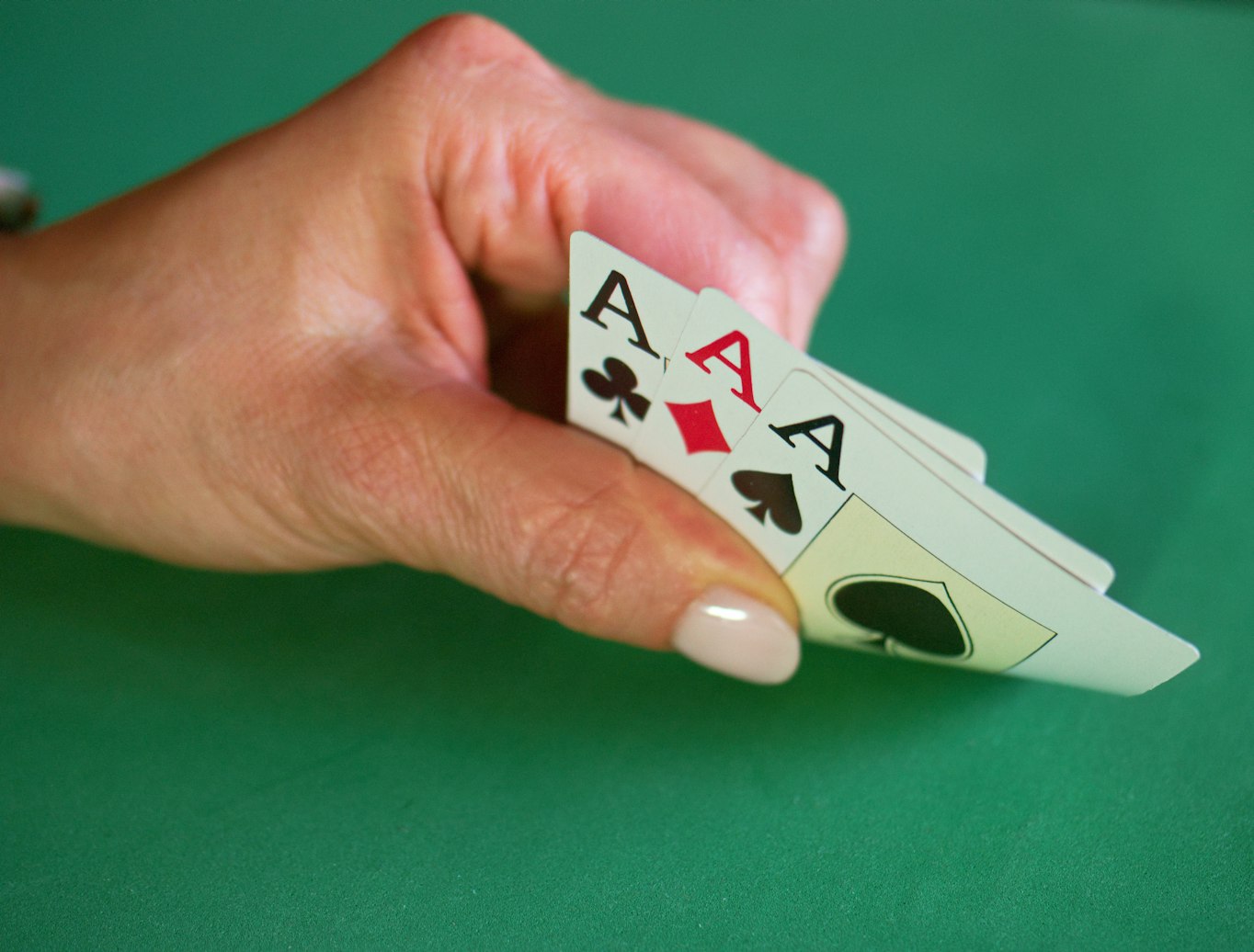
Moreover, the element of risk in casino games provides a unique opportunity for individuals to explore their personal limits and confront their fears. The prospect of loss is equally thrilling for many, as it pushes players to evaluate their decision-making processes and risk tolerance. This duality of risk—between the potential for loss and the chance for substantial gain—creates a complex emotional landscape that can enhance the gaming experience and keep players returning for more.
Cognitive biases and gambling behavior
Cognitive biases play a crucial role in the way gamblers perceive risk and make decisions. One of the common biases is the illusion of control, where players believe they can influence the outcomes of games of chance, such as slot machines or roulette. This misconception can lead to increased risk-taking behavior, as individuals may continue to gamble despite facing unfavorable odds, convinced that their actions will change the outcome. Furthermore, the gambler’s fallacy—believing that past events influence future outcomes—often reinforces risky behavior, prompting players to chase losses or increase their stakes in hopes of a win.
Additionally, the availability heuristic affects how individuals assess risk in gambling. Players tend to overestimate the frequency of dramatic wins, primarily due to the vividness of such occurrences in their memory. This cognitive bias creates a skewed perception of the likelihood of success, encouraging greater risk-taking as players believe they are more likely to hit the jackpot than the statistics suggest. Understanding these cognitive biases can illuminate why many gamblers engage in excessive risk-taking despite the inherent dangers associated with gambling.
The role of emotions in gambling decisions
Emotions significantly influence risk-taking behaviors in casino games, affecting both decision-making and engagement levels. Many players experience heightened emotions during gameplay, which can lead to impulsive choices and increased bets. The combination of excitement and anxiety can create a powerful emotional state that entices players to take greater risks than they may have initially intended. This emotional rollercoaster often results in a cycle of behavior where short-term wins are celebrated, reinforcing the desire to continue gambling despite potential long-term repercussions.
Additionally, emotions such as frustration or anger following losses can lead to “chasing losses,” where individuals increase their wagers in an attempt to recover funds. This emotional response can blind players to the risks involved, resulting in a dangerous pattern of behavior. Recognizing the impact of emotions on gambling decisions is essential for understanding why players sometimes engage in reckless risk-taking, and highlights the need for self-awareness in managing one’s gambling habits.
Social influences on gambling behavior
The social environment plays a significant role in shaping gambling behaviors and attitudes towards risk. Casino games are often a communal experience, where players share in the excitement of wins and the despair of losses. This social aspect can amplify the thrill of risk-taking, as the presence of others may encourage individuals to bet more aggressively, fueled by peer pressure or the desire for social approval. Observing others winning can create a contagious atmosphere of optimism, leading even cautious gamblers to take greater risks.
Furthermore, social networks can impact an individual’s perception of risk, with friends and family often influencing gambling decisions. If social circles embrace gambling as a form of entertainment and risk-taking, individuals may feel more comfortable participating and adopting similar risk-taking behaviors. Understanding these social influences is vital for recognizing how communal attitudes towards gambling can shape individual actions and perceptions of risk.

Your gateway to informed gambling choices
As you delve into the psychology of risk-taking in casino games, it’s essential to have reliable resources at your fingertips. Our website offers a comprehensive guide to the best online casinos available in 2026, providing detailed reviews and comparisons to help you make informed choices. Whether you are seeking thrilling gaming experiences or secure payment options, we equip you with the tools necessary to navigate the often-complex world of online gambling.
Join our vibrant community today and stay updated with the latest trends, insights, and promotions in the online casino industry. By understanding the psychological factors influencing your gambling behavior, you can make more informed decisions and enjoy a safer, more responsible gaming experience.
